Why Museums Should Think in Grant Ecosystems, Not Individual Grants
Most museums approach funding one application at a time
A project idea emerges.
A grant is identified.
A proposal is submitted.
If funding arrives, the project moves forward. If it does not, the project often stalls.
For many small and mid-sized museums, this approach creates unnecessary risk. Projects become “all-or-nothing,” staff capacity is stretched, and important initiatives remain unfinished when funding cycles do not align.
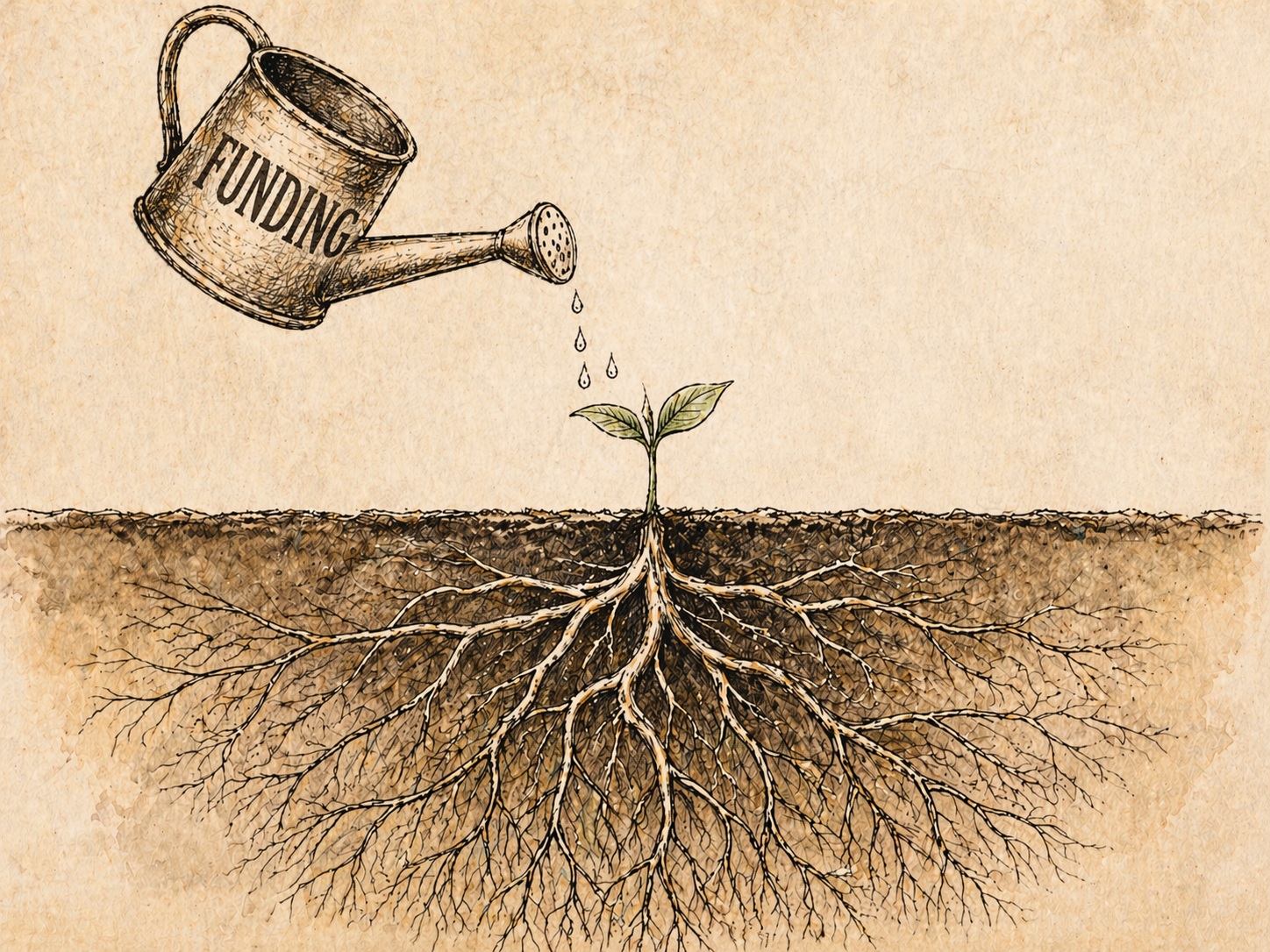
A more resilient strategy is to plan projects as grant ecosystems.
Instead of structuring an initiative around a single grant opportunity, museums design projects that can move through multiple aligned funding streams over time. Each phase of the project becomes fundable on its own while still contributing to a larger outcome.
This shift changes how projects are planned, funded, and delivered.
The Structural Reality of Museum Funding
Canada’s heritage sector is large but unevenly resourced.
There are roughly 2,700 heritage institutions across the country, including museums, historic sites, and archives. Many operate with small staff teams and modest operating budgets.
Public funding remains the largest source of revenue in the sector. Government grants, donations, and other non-earned revenue account for the majority of museum funding nationwide.
For small museums, this reality creates two consistent challenges:
- Major projects often exceed annual operating budgets.
- Funding cycles rarely match the timeline required for exhibit development.
When a museum attempts to fund an entire project through a single grant, both challenges become amplified.
The Problem With Single-Grant Project Planning
Traditional grant planning assumes that one grant will support the entire project.
For example:
Project: New permanent exhibit
Budget: $80,000
Approach: Submit one grant application
If the application succeeds, the project proceeds. If it fails, the project may pause indefinitely.
This approach introduces several structural risks.
Projects become all-or-nothing
Large proposals face higher competition and often require detailed planning before the funding application is submitted. Without that planning work, proposals can appear vague or unrealistic.
Applications lack supporting groundwork
Many projects require early research, artifact documentation, and interpretive planning. When these steps are skipped, applications struggle to demonstrate readiness.
Delivery pressure increases
If a single grant funds an entire initiative, museums must complete all stages within the grant timeline. For small organizations, this can strain staff capacity.
These challenges are common in community museums, where one or two staff members manage operations, programming, and fundraising simultaneously.
What Grant Ecosystems Looks Like
A grant ecosystem treats a project as a sequence of smaller, connected initiatives rather than one large undertaking.
Each phase aligns with a different type of grant funding.
Consider a museum planning a new exhibit exploring regional agricultural history.
Under a traditional model, the museum might submit a single proposal for the full exhibit.
Under a grant ecosystems model, the project could unfold in stages.
Phase 1: Story Research
Activities might include:
- Oral history interviews
- Artifact documentation
- Archival research
Potential funding sources often include heritage research grants or community history programs.
Phase 2: Digital Preservation
Activities might include:
- Digitizing photographs and artifacts
- Creating an online collection portal
- Organizing digital archives
Funding programs focused on digital heritage or technology adoption can support this stage.
Phase 3: Exhibit Development
Activities might include:
- Exhibit design
- Fabrication of displays
- Interpretive panels
These costs often align with heritage infrastructure or exhibit development grants.
Phase 4: Public Programming
Activities might include:
- Educational programming
- Community workshops
- School curriculum materials
Funding for this phase may come from education or community engagement programs.
Each stage contributes to the final exhibit while remaining independently fundable.
Why This Strategy Is Becoming More Important
Several sector trends are pushing museums toward phased funding models.
Increased competition for grants
As museums expand programming and rebuild after pandemic closures, the number of grant applications has increased. Funders often prioritize projects with clear planning and realistic scope.
Breaking a project into phases improves both.
Growing expectations for digital engagement
Many museums expanded digital offerings during the pandemic. Online exhibits, digital archives, and hybrid programming are now expected by visitors and funders alike.
Digital work often requires specialized planning and infrastructure. A phased approach allows museums to develop these capabilities gradually.
Greater emphasis on community impact
Funding programs increasingly evaluate how projects serve local audiences. Community partnerships, oral histories, and educational programming are becoming key evaluation criteria.
When projects are planned in phases, museums can demonstrate community engagement earlier in the process.
Practical Steps for Museums
Museum leaders can begin applying this model without major structural changes.
Start with the full vision
Define the long-term outcome first.
Examples might include:
- modernizing a permanent exhibit
- digitizing a collection
- expanding cultural programming
- documenting community histories
Once the vision is clear, identify the steps required to reach it.
Break the project into phases
Typical phases include:
- research and documentation
- digital preservation
- exhibit development
- programming and education
Each stage should produce tangible outputs.
Align phases with grant categories
Different grant programs prioritize different activities.
Research grants support documentation and story gathering. Technology grants support digitization and digital storytelling. Infrastructure grants support exhibit fabrication.
Aligning project stages with these categories significantly increases funding opportunities.
Document progress
Each completed phase strengthens future proposals.
Artifacts catalogued during research become exhibit content. Oral histories collected during documentation can support community engagement programming.
Funders value evidence that projects are already underway.
What This Means for Museum Leadership
For small museums, the most important shift is strategic.
Projects do not need to begin with a large grant application. They can begin with planning, documentation, or digital preparation funded through smaller opportunities.
Over time, these pieces accumulate.
Research becomes storytelling.
Digital assets become exhibits.
Community engagement becomes programming.
The final project emerges through a sequence of achievable steps.
This approach reduces risk, increases funding success, and allows institutions with modest budgets to deliver meaningful cultural projects.
In practice, the most successful museum initiatives rarely begin with a single grant.
In grant ecosystems, they develop through a network of aligned funding opportunities working toward the same outcome.
Categories
- Accessibility & Inclusive Design
- Awards, Media & Recognition
- Digital Governance & Risk
- Government & Civic Technology
- Hosting, Maintenance & Website Care
- Interactive Experiences & Digital Storytelling
- Museums, Heritage, & Art Organizations
- Pattern in Practice
- Research, Prototyping & Emerging Technology
- Websites, UX & Digital Platforms