Why Museums Should Use Modular Exhibit Funding
Museums often approach exhibit development as a single project.
The concept is defined.
The scope is estimated.
Then the institution begins searching for a grant large enough to fund the work.
For many organizations, especially small and mid-sized museums, this model creates unnecessary risk. Large project grants are competitive, timelines become compressed, and a single rejected application can delay an exhibit idea by an entire year or more.
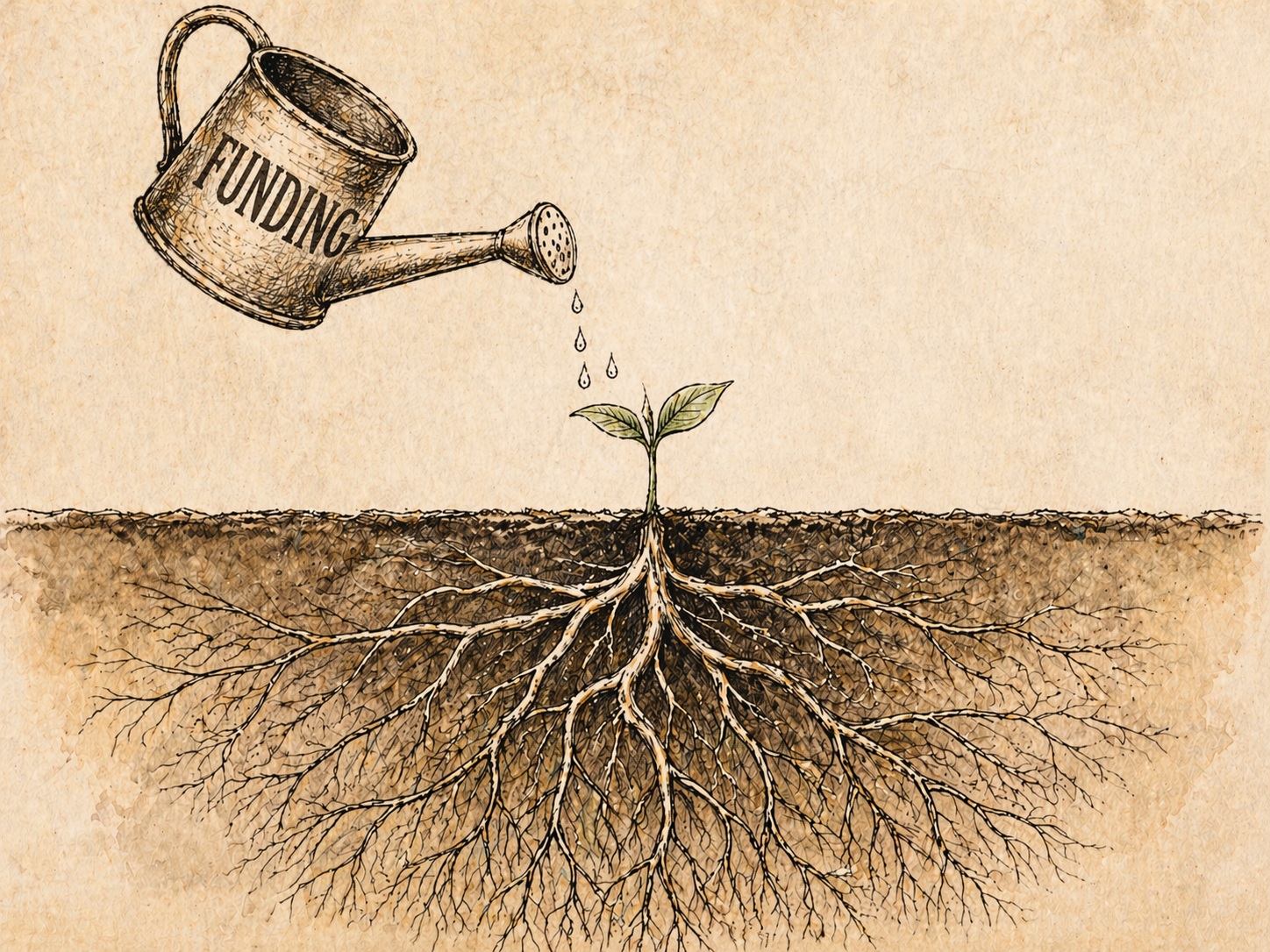
A different approach is gaining traction across the cultural sector: designing exhibits as modular projects aligned with multiple funding opportunities.
Instead of seeking funding for one large exhibit build, museums structure projects into smaller components that can be funded independently and implemented over time.
This approach often results in stronger proposals, lower financial risk, and a more sustainable path to completing complex exhibit work.
The Limits of Single-Project Exhibit Funding
Most exhibit proposals are structured around a single funding request.
A museum might frame a project like this:
Project: New permanent exhibit on regional history
Estimated cost: $80,000–$150,000
The institution then searches for a grant program capable of supporting most or all of that budget.
Several challenges appear quickly.
First, large exhibit grants tend to be highly competitive. Programs that support exhibition development often receive far more applications than they can fund.
Second, many grant programs are designed around specific project categories, not broad exhibit initiatives. Funding may exist for research, collections documentation, educational programming, or digital storytelling, but not necessarily for a full exhibit build.
Finally, funding committees often evaluate institutional capacity. A large single-phase project can raise questions about staffing, timelines, and delivery risk, particularly for smaller organizations.
When exhibit planning is tied to one funding decision, a rejected proposal can stall an idea indefinitely.
What Is Modular Exhibit Funding for Museums
The modular approach breaks an exhibit into separate project phases, each aligned with different funding priorities.
Instead of presenting the entire exhibit as one request, museums define multiple components that together build the final experience.
A typical modular structure might look like this:
| Project Phase | Scope |
| Research | Oral histories, archival investigation, community consultation |
| Collections | Artifact documentation and digitization |
| Interpretive Planning | Story structure, visitor journey, exhibit concepts |
| Digital Storytelling | Interactive media, online exhibits, audio or video content |
| Exhibit Fabrication | Physical displays, graphics, casework |
| Educational Programming | Lesson plans, workshops, school programming |
Each phase becomes a distinct project opportunity.
Research work may align with heritage or historical research grants. Digital storytelling may align with digital heritage or innovation programs. Educational components can fit within cultural education funding streams.
Instead of one large funding request, the museum creates a series of smaller proposals connected to a larger vision.
How Modular Exhibit Funding Aligns With Museum Grant Programs
Several trends in cultural funding are pushing museums toward modular project planning.
Growth of digital heritage funding
Digital storytelling and online access initiatives have become major priorities for cultural funding programs.
Projects that digitize collections, create virtual exhibits, or develop online learning resources are increasingly supported through dedicated funding streams. When museums treat digital storytelling as a separate project component, they can pursue these opportunities without tying them to a full exhibit build.
Digital initiatives also expand audience reach beyond the physical building, which is a priority for many funders.
Increased focus on organizational capacity
Many grant programs now emphasize planning, research, and capacity development.
This reflects an understanding that smaller institutions often need preparatory work before launching large capital or exhibit projects.
Funding early phases such as interpretive planning or collections research allows organizations to develop stronger proposals for future exhibit work.
Audience engagement expectations
Funders are placing greater emphasis on public engagement, community storytelling, and educational programming.
These initiatives frequently operate as standalone projects rather than components of physical exhibits. Structuring exhibit planning around these categories helps museums align with current funding priorities.
Examples of Modular Cultural Projects
Many museums are already applying elements of modular planning, even if they do not formally describe it that way.
Digital exhibit initiatives provide one example. Some institutions begin with an online storytelling project that shares research and oral histories digitally. A physical exhibit may follow later once additional funding becomes available.
Other museums begin with collections digitization. Documenting artifacts and building digital archives strengthens future exhibit proposals and often qualifies for preservation funding programs.
Community storytelling projects also function as independent phases. Oral history initiatives, community recording sessions, or cultural documentation projects can become both research inputs and public programming initiatives.
In each case, the final exhibit grows from a sequence of smaller projects rather than a single launch.
Strategic Advantages of Modular Planning
Higher probability of funding
Smaller, well-defined projects tend to align more clearly with funding program criteria. Grant committees often prefer proposals with limited scope and achievable timelines.
Reduced project risk
If one funding application is unsuccessful, other project components can still proceed. Progress is not dependent on a single decision.
Stronger proposals
Planning and research phases generate valuable content, documentation, and partnerships. These elements strengthen later applications for exhibit fabrication or installation funding.
Expanded partnerships
Modular projects make it easier to involve collaborators such as universities, cultural organizations, or community groups. Each partner can participate in specific phases rather than committing to a large multi-year project.
Multi-year project development
Complex exhibits benefit from extended development timelines. Modular planning allows projects to unfold over several years while maintaining steady progress.
How Museums Can Apply This Approach
Museums interested in modular planning can begin with a simple exercise.
Start by defining the full exhibit vision. What story will the exhibit tell? What visitor experience should it create?
Next, break the exhibit into project phases. Consider research, interpretive planning, collections work, digital storytelling, fabrication, and education.
Then map each phase to potential funding categories. Many institutions discover that their exhibit components align with several different funding programs.
Finally, develop a multi-year project roadmap. Early phases such as research or digital storytelling can begin first, while fabrication and installation occur later once additional funding is secured.
This process transforms a large, uncertain project into a sequence of manageable initiatives.
A More Practical Path for Small Museums
Many museums have strong exhibit ideas that never reach implementation because the project structure does not align with how funding programs actually work.
Breaking exhibits into modular projects allows institutions to pursue funding incrementally while building momentum.
The exhibit still exists as a single vision.
The difference is how that vision is delivered.
Instead of waiting for one grant large enough to fund the entire project, museums move forward through a series of smaller steps that gradually build the final experience.
For organizations with limited resources, this approach often provides a more realistic path from concept to completion.

Categories
- Accessibility & Inclusive Design
- Awards, Media & Recognition
- Digital Governance & Risk
- Government & Civic Technology
- Hosting, Maintenance & Website Care
- Interactive Experiences & Digital Storytelling
- Museums, Heritage, & Art Organizations
- Pattern in Practice
- Research, Prototyping & Emerging Technology
- Websites, UX & Digital Platforms