Digital risk management for websites
Why “Nothing Is Wrong” Is the Most Dangerous Status for Your Website
Most organizations do not experience digital failure as a dramatic moment.
Instead, risk builds quietly.
Accessibility issues creep in as content changes. Performance slows a little at a time. Security assumptions age. Third‑party tools pile up without review. Nothing breaks. No alarms go off. And because nothing is visibly wrong, the risk remains invisible.
For non‑technical leaders, this is one of the most dangerous states a website can be in. Understanding proper digital risk management for websites is fundamental for every organization.
The Comfort of “Nothing Is Wrong”
When leaders ask how the website is doing, the answer is often some version of:
“Nothing is wrong.”
This response feels reassuring. It suggests stability. It allows teams to focus on other priorities. But in digital systems, the absence of visible problems does not mean the system is healthy. It usually means the system is not being closely observed.
Websites rarely fail all at once. They drift.
How Risk Actually Builds Over Time
Digital risk behaves less like a switch and more like compound interest. It grows quietly and steadily, often without drawing attention to itself.
Accessibility Drift
Accessibility is not a one‑time task. Each new page, document, image, or embedded tool introduces the possibility of new barriers. Organizations that rely on occasional audits often discover that compliance slowly erodes between reviews.
By the time an issue surfaces, the gap is larger than anyone expected.
Performance Degradation
Modern websites constantly accumulate new elements. Analytics tools. Embedded videos. Marketing scripts. Third‑party widgets.
Each addition seems harmless. Over time, pages load more slowly, especially on mobile devices. User experience declines without any single change being responsible.
Aging Security Assumptions
Security risk increases even when nothing changes. Software versions age. Plugins become unsupported. Default settings fall behind current best practices.
“No incidents” is often interpreted as safety. In reality, it may simply mean exposure has not yet been discovered.
The Governance Blind Spot
Most leadership and governance structures are designed to respond to visible events, not gradual drift.
Updates tend to surface only when something goes wrong. A complaint is filed. A funder asks questions. A compliance review is triggered. A breach or outage occurs.
By that point, leaders are no longer asking what happened. They are asking why no one saw it coming.
This is where organizations feel exposed. Not because the issue exists, but because there is no clear record showing that risks were being monitored responsibly over time.
Why This Creates Stress for Capable Teams
Most teams are not ignoring risk. They are operating without the visibility required to see it clearly.
When risk is invisible:
- Decisions become reactive
- Conversations with leadership feel uncomfortable
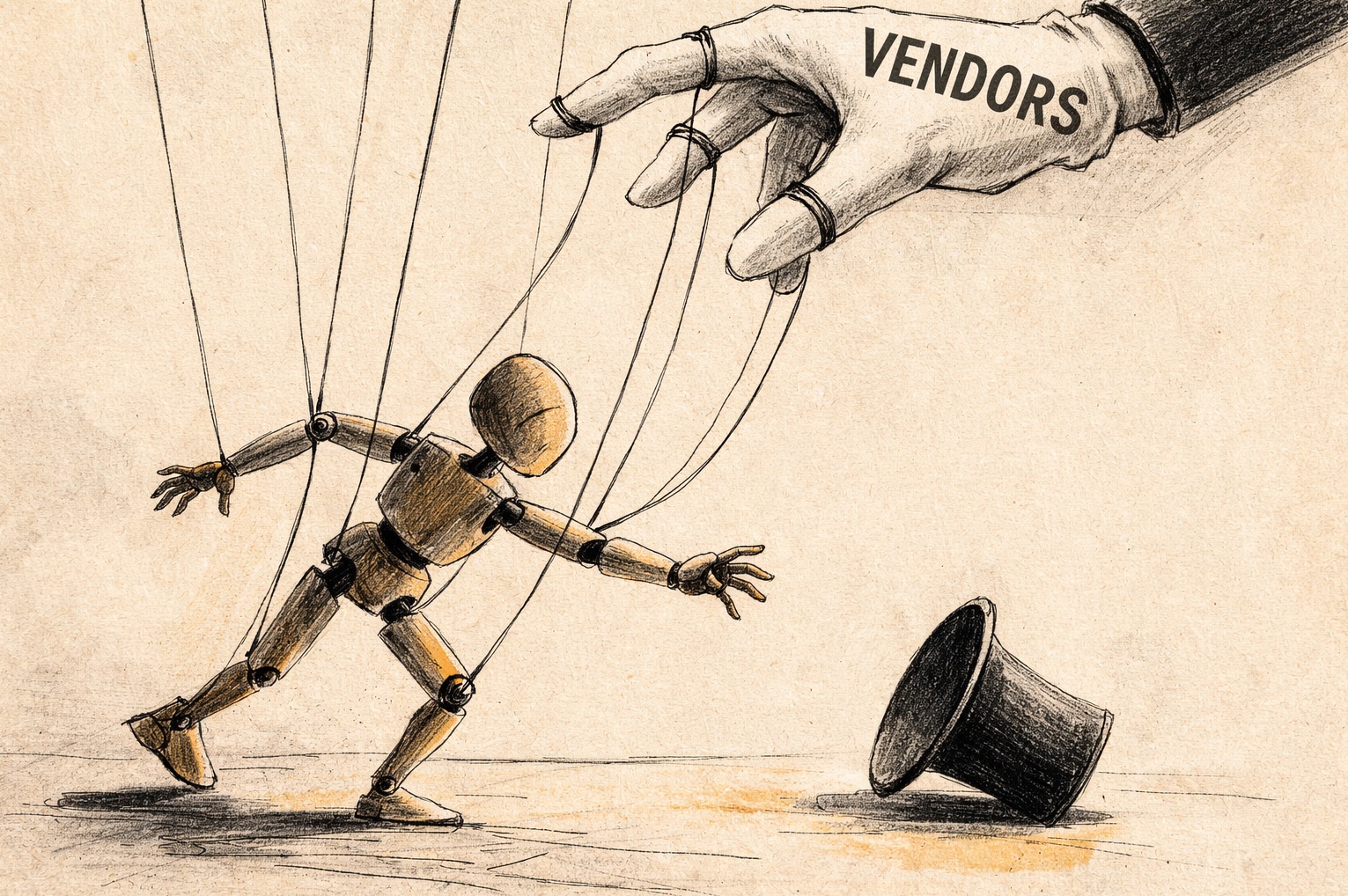
- Vendors are hard to challenge
- Documentation is thin or nonexistent
This creates a persistent low‑grade stress that many digital leaders carry quietly.
A Better Model: Continuous Awareness
Organizations that manage digital risk well do not rely on heroics or constant rebuilds. They focus on awareness.
Three shifts make the difference.
Knowing What Normal Looks Like
Healthy organizations establish a baseline for site performance, accessibility posture, and security assumptions. Without this, it is impossible to tell whether things are improving or degrading.
Watching Trends, Not Just Incidents
Instead of waiting for failures, they look for patterns over time. Small changes become visible before they turn into urgent problems.
Documenting Decisions and Tradeoffs
They maintain a simple record of known risks, priorities, and decisions. This creates confidence and protects both the organization and the people responsible for it.
What Leaders Can Do Today
This shift does not require rebuilding your website or changing platforms.
It starts with a mindset change:
- Treat the website as a system, not a project
- Assume risk is accumulating unless proven otherwise
- Value visibility and documentation as much as fixes
Calm, ongoing oversight is more effective than reactive response.
The Question That Matters Most
The most important question for digital leaders is not:
“What happens if something goes wrong?”
It is:
“How confident are we that we would see it coming?”
That confidence is the true marker of digital maturity. And it is built through continuous awareness, not crisis response.
Understanding proper digital risk management for websites is important for all organizations.