Beyond FAQs: The Rise of Municipal Chatbots as Policy Translators
A practical guide for leaders planning their next municipal website redesign
Municipal leaders today face a familiar challenge. Residents want fast, clear answers to everyday questions. Staff teams want relief from overflowing inboxes and phone lines. Budgets want solutions that do not require new headcount every year.
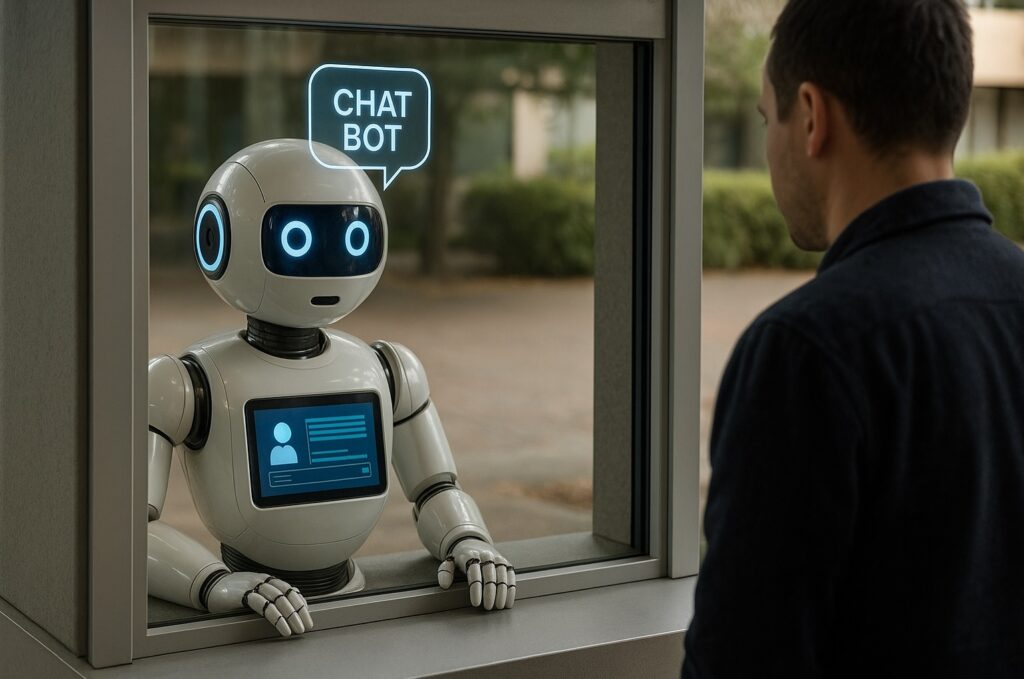
A new generation of municipal chatbots is emerging that can help solve all three. These tools are no longer simple FAQ widgets. With recent advances in artificial intelligence, a chatbot can now act as a practical policy translator. It can take the complexity of municipal bylaws, permits, waste schedules, zoning rules, and service processes, and turn them into clear, plain language answers that meet residents where they are.
For leaders preparing a municipal website redesign, understanding this shift is critical. The question is no longer whether to explore a chatbot. The question is how to design one that becomes a reliable part of your service delivery strategy.
Why Municipal Chatbots Are Gaining Momentum
AI is finally mature enough for public service
Modern natural language tools can understand how residents actually phrase questions. This allows a chatbot to interpret intent and pull information directly from accurate municipal documents. The result is a helpful, grounded response that reduces confusion rather than creating it.
Rising demands and limited resources
Municipal teams manage growing volumes of service inquiries without matching growth in staffing. Phone and email channels cannot scale. A chatbot can absorb thousands of simple questions each month. Portland, Maine, reports more than 2,500 chatbot-handled questions monthly. That is the equivalent of many hours of staff time reclaimed for higher value work.
Residents expect clarity
People now expect services to be available at any hour and written in language they can understand. A chatbot can take legal or technical content and explain it simply. It can help residents navigate processes step by step and reduce the frustration that often accompanies municipal tasks.
What a Modern Municipal Chatbot Can Actually Do
Most leaders have only seen first generation FAQ bots. A well-designed system can do far more.
Translate policy into everyday language
Bylaws, garbage rules, permit details, and tax information become easier for residents to interpret.
Guide people through processes
Instead of sending users to long PDF documents, the chatbot can outline steps, timelines, and required documents in a simple conversational flow.
Provide answers backed by real documents
Retrieval based AI tools can reference approved municipal content, which helps reduce the risk of inaccurate or misleading responses.
Triage issues and route complex cases
When questions fall outside its scope, the chatbot can collect details and forward them to the right team.
Reduce workload and improve experience
Handled well, this tool becomes a reliable first stop for residents and an operational relief valve for staff.
What We Are Seeing in the Field
Municipal adoption is no longer experimental. Independent studies show measurable improvement in service access and resident satisfaction when chatbots are designed intentionally and governed responsibly.
Researchers are also developing models tailored to municipal challenges like budgeting questions. Early tests show that specialized retrieval-driven systems outperform general AI tools. The message is clear. When a chatbot is grounded in real municipal content and designed for real municipal workflows, it delivers value.
The Risks Leaders Need to Understand
No technology is without risk. Municipal chatbots require thoughtful planning. Key challenges include:
Incorrect or misleading answers
If a chatbot misinterprets policy, it can undermine trust. Mitigation: retrieval first design, audit trails, clear disclaimers, and easy escalation to staff.
Privacy and compliance
Municipalities must consider data residency, transparency, and oversight. Mitigation: ensure compliant platforms and maintain alternate communication channels.
Overpromising
If a chatbot launches with too broad a scope, it creates frustration for residents. Mitigation: start with high value, high volume questions and expand gradually.
Accessibility and digital equity
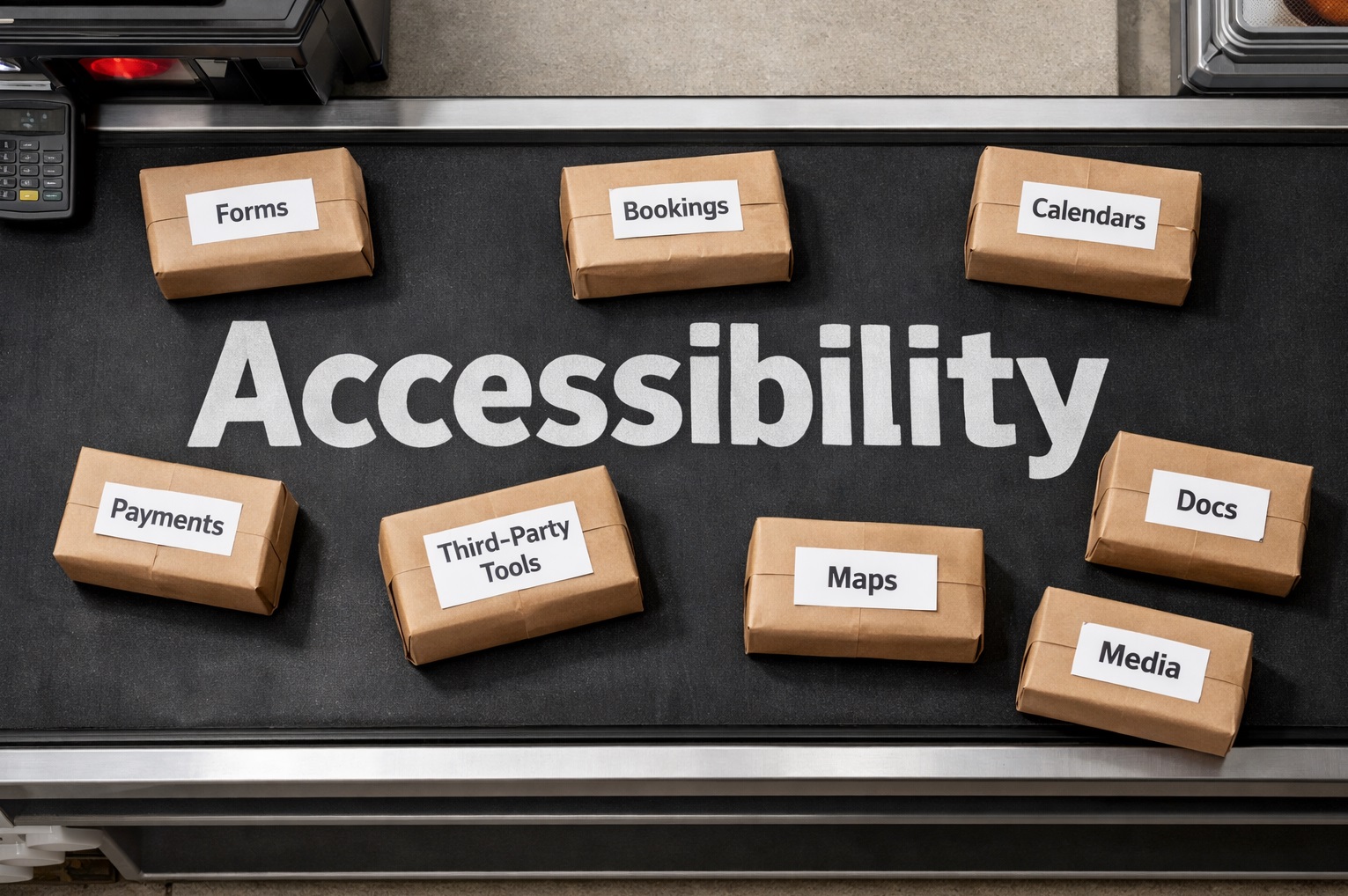
Not every resident prefers conversational tools. Mitigation: keep phone, email, and in-person channels available and ensure the chatbot is accessible for all users.
A Roadmap for Adding a Chatbot to a Website Redesign
How to integrate a chatbot into a modern municipal digital strategy
- Discovery and scope
Identify the top questions residents ask. Pick two to four essential use cases. - Content governance
Organize bylaws, instructions, and forms into a maintainable knowledge base with clear ownership. - Platform selection
Evaluate privacy, data residency, chatbot type, and long-term maintainability. - Implementation
Integrate the tool into the new website. Ensure simple escalation to staff and load it with verified municipal content. - Pilot and feedback
Launch quietly. Track success rates, user satisfaction, and unanswered questions. - Expand responsibly
Add new workflows based on measurable demand and performance. - Governance and transparency
Publish disclaimers. Review outputs regularly. Maintain alternate access channels.
Why Municipal Chatbots Matter for Leaders Today
A well-governed chatbot strengthens public trust by making information easier to understand. It reduces staff burden and supports 24 hour service delivery. It can help create clarity around policies that are often misunderstood. And it builds the foundation for future digital service improvements like automated permit triage or more advanced 311 tools.
At the same time, poor implementation can erode confidence. Success depends on governance, user centered design, and clear communication about what the chatbot can and cannot do.
The Bottom Line
Municipalities are at a turning point. Residents expect clarity and convenience. Staff expect relief from persistent service pressures. Budgets expect efficiency. A thoughtfully designed chatbot sits at the intersection of all three.
If your municipality is preparing a website redesign, this is the moment to include a chatbot strategy. Start with clear scope. Build on trustworthy content. Launch with transparency. Measure what matters. Improve over time.
A chatbot is no longer a novelty. It is an investment in better service delivery and clearer communication with the people you serve.