Museum Grant Readiness: Planning Before Proposal Writing
The Invisible Work Behind Successful Museum Grants
Across Canada, museums increasingly depend on grants to fund exhibits, digitization, and public programming. At the same time, competition for those grants has grown.
Many institutions respond by focusing on writing stronger applications. In practice, the deciding factors often appear much earlier. Funders rarely reject projects because the writing was weak. More often, they decline projects that appear underdeveloped.
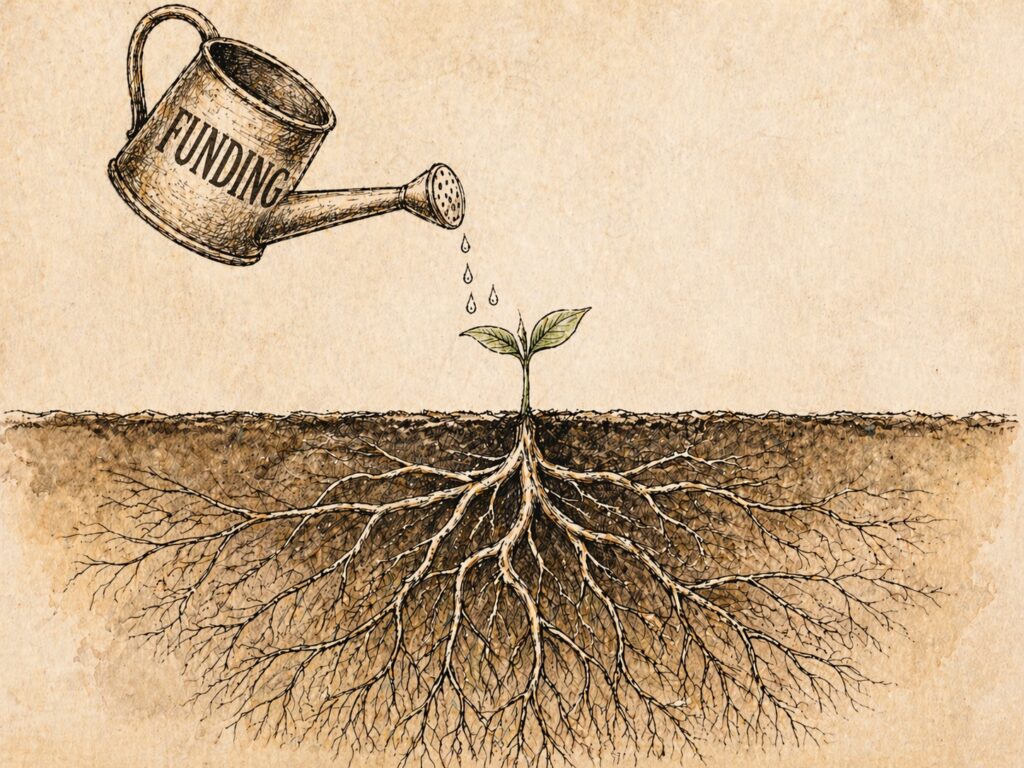
Behind most successful grants is a layer of preparation that never appears in the application itself. This preparation signals credibility, readiness, and alignment with public value. It is the difference between an idea and a fundable project.
For museum leaders, understanding this “invisible work” can significantly improve funding success.
What Funders Quietly Look For
Most grant programs publish formal criteria such as relevance, feasibility, and community impact. Beneath those categories, reviewers are evaluating deeper signals.
They are asking practical questions:
- Does the institution clearly understand the story it wants to tell?
- Is the scope realistic for the organization’s capacity?
- Has the project been thought through beyond the concept stage?
These signals are rarely stated directly in guidelines, yet they influence decisions heavily.
A proposal may describe an engaging exhibit idea. If the narrative, budget, timeline, and outcomes appear loosely defined, the project reads as risky. Another proposal with the same concept but clearer preparation often receives funding.
The difference is not the idea. It is the groundwork behind it.
The Reality for Small Museums
Many museums operate with limited staff, volunteer governance, and aging infrastructure. Under these conditions, projects often begin with urgency rather than planning.
A common pattern looks like this:
- The museum identifies a need for a new exhibit or program
- Staff begin searching for funding opportunities
- The grant application becomes the first place the project is fully described
From the funder’s perspective, the proposal becomes the planning document. This introduces uncertainty around scope, cost, and deliverability.
Projects that succeed tend to follow a different sequence. Planning occurs before the funding application. The proposal then describes work that has already been partially structured.
This shift dramatically improves credibility.
Four Types of Preparation That Strengthen Grant Applications
Across successful museum projects, several forms of preparation appear consistently.
Interpretive clarity
Strong projects begin with a clear understanding of the story being told.
Before applying for funding, institutions often develop:
- interpretive outlines
- narrative themes
- artifact or archival selections
- visitor learning objectives
Without this clarity, proposals frequently default to general descriptions such as “an engaging exhibit about local history.” Funders respond more positively to proposals that demonstrate a specific interpretive direction.
For example, a project exploring migration patterns, oral histories, or the evolution of a local industry communicates purpose more clearly than a general exhibit concept.
Interpretive planning transforms an idea into a structured narrative.
Demonstrated community relevance
Funding bodies increasingly emphasize public impact and community participation. Projects that demonstrate clear community relevance stand out during evaluation.
Museums can show this relevance through:
- partnerships with community organizations
- collaboration with cultural groups or knowledge keepers
- consultation with educators
- letters of support from local stakeholders
These signals indicate that the project responds to a real audience need rather than an internal institutional goal.
When community engagement appears early in the project development process, the proposal becomes stronger and more credible.
Feasibility and project scope
Funders need confidence that a project can be delivered within the proposed timeline and budget.
Many successful applications include early scoping work such as:
- preliminary exhibit planning
- consultations with designers or technologists
- realistic cost estimates
- phased timelines
This preparation demonstrates that the institution has considered practical implementation issues.
Without this groundwork, budgets often appear speculative. Timelines can feel optimistic. Reviewers interpret both as risk.
Even modest scoping conversations with external specialists can significantly improve project feasibility.
Organizational capacity
Funders also evaluate whether the institution has the internal ability to manage the project.
Signals include:
- clearly defined staff or volunteer roles
- financial oversight and reporting capability
- prior experience managing funded projects
- governance stability
Small museums are not disadvantaged here if they clearly describe how responsibilities will be managed.
A simple project structure with defined oversight often provides enough reassurance.
Funding Trends Museums Should Be Watching
Several shifts in the funding landscape are increasing the importance of project readiness.
Outcome-focused funding
Many grant programs now prioritize measurable outcomes rather than activities.
Projects are expected to demonstrate impact in areas such as:
- visitor engagement
- education and learning
- accessibility
- digital access to heritage
Museums that define outcomes early in project development have a significant advantage. The application can then describe how the project achieves those outcomes.
Partnership-driven projects
Funding bodies increasingly value collaboration between organizations.
Partnerships signal that the project has broader relevance and shared expertise. They can also strengthen proposals by expanding the project’s reach and impact.
For small museums, partnerships with schools, cultural groups, historical societies, or tourism organizations can add credibility without requiring significant additional resources.
Multi-phase project development
Large exhibit projects are increasingly funded in stages.
Instead of requesting full funding for a complex initiative, museums often pursue sequential phases such as:
- research and documentation
- interpretive planning
- exhibit design
- fabrication and installation
Phased development reduces risk for funders and allows institutions to build momentum across multiple funding cycles.
Practical Steps for Museum Leaders
Improving funding success does not require major institutional changes. Several practical actions can strengthen project readiness before an application is written.
Start with planning rather than funding.
Develop a basic interpretive outline and identify the core story the project will tell.
Consult early with partners and stakeholders.
Community input strengthens relevance and often reveals opportunities for collaboration.
Validate project scope.
Even informal conversations with designers, technologists, or historians can produce more credible budgets and timelines.
Define outcomes.
Clarify what success will look like for visitors, students, or community members.
Document preparation.
Simple planning notes or scoping documents provide useful evidence that the project is ready to move forward.
A Strategic Advantage for Small Museums
Museums often believe that funding success depends on finding the right grant program. In reality, the determining factor is frequently the readiness of the project itself.
Institutions that invest time in interpretive planning, community engagement, and project scoping consistently produce stronger proposals. Their applications communicate clarity, feasibility, and impact.
For small museums operating with limited resources, this preparation provides a significant advantage. It transforms grant applications from speculative ideas into credible projects that funders can support with confidence.
The most effective grant strategy does not begin with writing. It begins with preparation.
Categories
- Accessibility & Inclusive Design
- Awards, Media & Recognition
- Digital Governance & Risk
- Government & Civic Technology
- Hosting, Maintenance & Website Care
- Interactive Experiences & Digital Storytelling
- Museums, Heritage, & Art Organizations
- Pattern in Practice
- Research, Prototyping & Emerging Technology
- Websites, UX & Digital Platforms