Why Museum Grant Proposals Fail When They Lead With Technology
Why Museum Grant Proposals Fail When They Lead With Technology
Museums are under increasing pressure to modernize how they tell stories. Visitors expect interactive exhibits, digital access to collections, and new ways to experience heritage. Many institutions respond by proposing technology projects: touchscreens, digital archives, mobile apps, or virtual exhibits.
Yet a large number of these proposals struggle to secure funding.
The issue is rarely the technology itself. More often, the problem is how the project is framed.
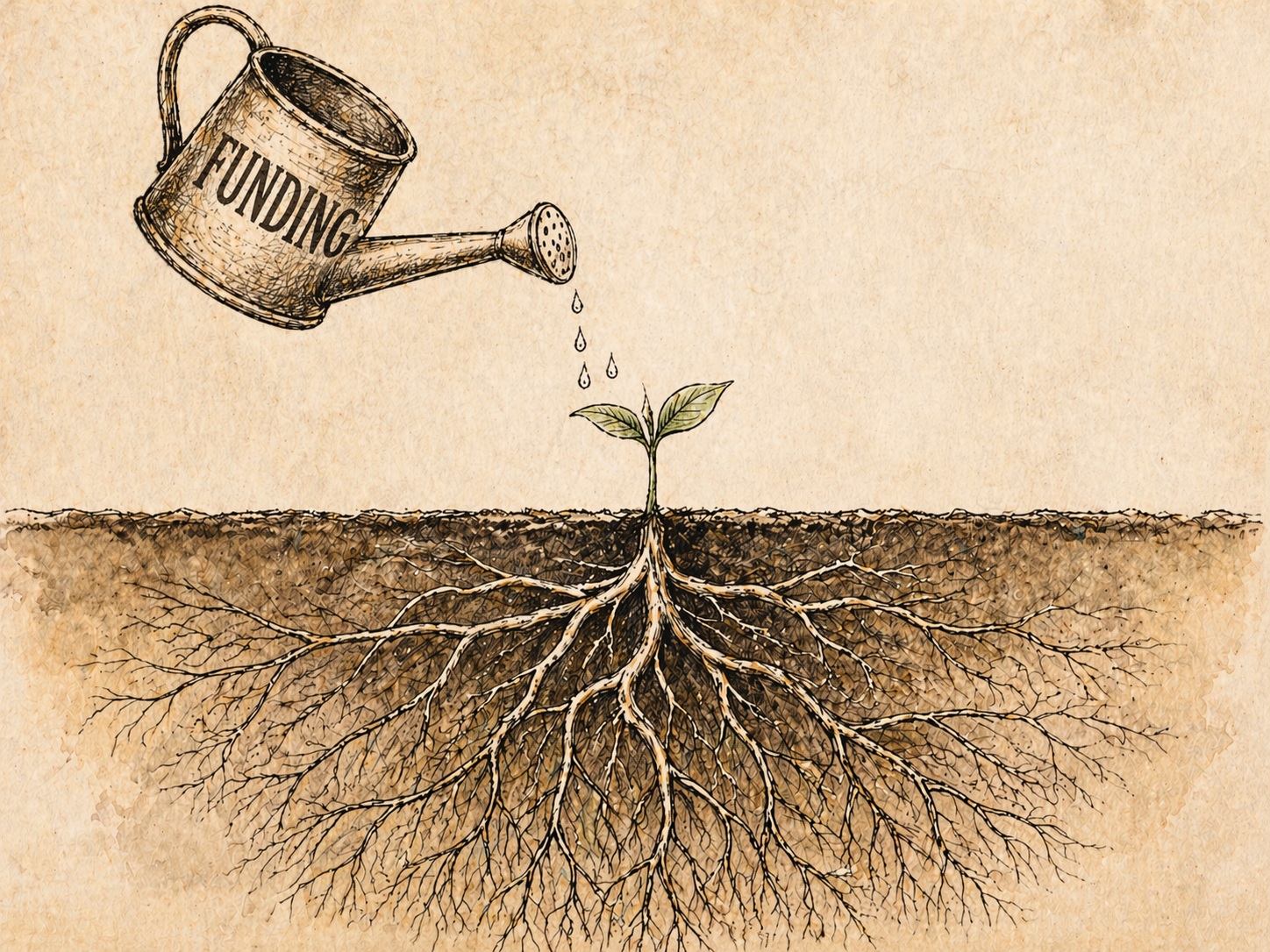
Funders rarely invest in tools. They invest in outcomes.
When proposals begin with equipment or platforms instead of public impact, they often fail to demonstrate why the project matters.
Understanding this distinction can significantly improve how museums design and fund new initiatives.
The Misalignment Between Museum Projects and Grant Evaluation
Inside many museums, project ideas begin with a practical question:
How can we use technology to improve the exhibit or showcase our collection?
This often leads to proposals framed around tools.
Examples are common:
- installing interactive touchscreen kiosks
- digitizing archival materials
- building a virtual exhibit platform
- developing a mobile guide application
These initiatives may be valuable. However, when proposals lead with technology, they immediately raise questions for grant evaluators.
Funders typically evaluate projects using criteria related to public value:
- Who benefits from the project?
- What new access does it provide?
- What learning or engagement outcomes will it produce?
- Why is the project necessary now?
A proposal focused on equipment often leaves these questions unanswered.
From a funder’s perspective, the technology is simply the delivery method. The real focus is the impact created for audiences, communities, or the preservation of heritage.
What Funders Actually Prioritize
Across heritage and cultural funding programs, evaluation frameworks tend to focus on four areas.
Public Access
Projects that expand access to heritage collections or stories.
Examples include online exhibits, multilingual interpretation, and digital access for remote communities.
Education and Learning
Projects that support curriculum connections, youth engagement, or informal learning experiences.
Community Participation
Projects that involve communities directly in the interpretation or creation of heritage content. This may include oral histories, community archives, or collaborative exhibit development.
Preservation and Knowledge Sharing
Projects that improve documentation, preservation, and long-term access to cultural heritage.
Technology often supports these goals, but it is not the goal itself.
Technology-First Framing vs Outcome-Focused Framing
Consider two ways of describing the same project.
Technology-First Description
The museum is requesting funding to install touchscreen displays that allow visitors to browse archival photos and documents.
The statement is accurate, but it focuses on equipment rather than purpose.
Outcome-Focused Description
The museum will create a digital storytelling experience that allows visitors to explore the region’s immigrant history through photographs, oral histories, and archival materials.
In the second example, the technology still exists. However, it supports a clearly defined outcome: helping visitors understand a community’s history.
This shift changes how the project is evaluated.
Instead of funding equipment, the grant supports a storytelling initiative that improves public engagement with heritage.
A Strategic Framework for Grant-Aligned Projects
Museums can strengthen proposals by structuring projects around three stages.
1. Define the Outcome
Start by identifying the public value the project will create.
Examples might include:
- preserving oral histories from community elders
- improving access to local history for students
- creating new ways for visitors to understand migration stories in the region
This step establishes the purpose of the project.
2. Design the Visitor Experience
Once the outcome is clear, determine the experience that will deliver it.
This could include:
- guided storytelling stations
- interactive timelines
- digital audio experiences
- online exhibitions with curated narratives
At this stage the focus is still on how visitors will engage with the content, not the technology itself.
3. Select the Technology
Only after the outcome and experience are defined should the technology be chosen.
Possible tools might include:
- touchscreen displays
- audio installations
- web-based storytelling platforms
- mobile visitor guides
When technology is introduced at this stage, its purpose is already clear.
Why This Approach Improves Funding Success
Outcome-focused planning does more than strengthen the narrative of a proposal. It also expands the number of funding pathways available.
A project framed around technology may only align with a narrow category of funding, often related to infrastructure or digital tools.
The same project framed around outcomes may align with multiple priorities, including:
- heritage interpretation
- community engagement
- educational programming
- accessibility initiatives
- digital storytelling
This flexibility can significantly improve the chances of securing funding, particularly for small museums that rely on multiple grant programs to support a project.
The Opportunity for Smaller Museums
Small and mid-sized museums often feel disadvantaged when competing for grants. Limited staff capacity and aging exhibits can make large projects difficult to plan.
However, these institutions also hold something unique: deeply local stories that larger institutions cannot tell.
Funders increasingly prioritize projects that highlight community voices, regional heritage, and cultural diversity.
When museums frame projects around these narratives rather than the technology used to present them, their proposals become more aligned with current funding priorities.
In practice, the strongest proposals are rarely about installing new systems. They are about helping audiences experience heritage in new ways.
Practical Takeaways for Museum Leaders
When developing a grant-funded project, consider a few key principles.
Start with the audience and the story, not the tool.
Define the impact the project will create before selecting technology.
Describe how visitors will engage with the content.
Treat technology as infrastructure supporting interpretation, education, and storytelling.
This shift in framing does not require larger budgets or more advanced technology. It requires clearer thinking about the purpose of the project.
Closing Perspective
Museums are navigating a period of rapid change. Digital tools are expanding how institutions share stories and connect with visitors.
At the same time, funding programs are increasingly focused on measurable public impact.
Projects that begin with technology often struggle to communicate that impact.
Projects that begin with outcomes tend to align more naturally with how funders evaluate proposals.
For museums seeking to modernize exhibits, expand digital access, or engage new audiences, this distinction can determine whether an idea remains a concept or becomes a funded initiative.

Categories
- Accessibility & Inclusive Design
- Awards, Media & Recognition
- Digital Governance & Risk
- Government & Civic Technology
- Hosting, Maintenance & Website Care
- Interactive Experiences & Digital Storytelling
- Museums, Heritage, & Art Organizations
- Pattern in Practice
- Research, Prototyping & Emerging Technology
- Websites, UX & Digital Platforms